Branding
Branding vs. logo: what does your business need?
Understand the difference between a logo and a brand identity, choose useful deliverables and prepare a clear design brief for your small business.
Branding vs. Logo: What Is the Difference?
A logo is a recognizable mark or wordmark. A visual brand identity is the system around it: color, typography, image choices and rules for putting everything together. You can have a good logo and still look inconsistent if each flyer, social post and website page follows a different style.
Imagine a customer sees your business card, checks your Instagram profile and then visits your website. Do those three places feel connected? If not, the issue may be how the identity is applied rather than the logo itself.
Start with the places your customers actually encounter you. A local service business may need a readable vehicle graphic and a clear quote document. A beauty business may need appointment graphics and a consistent booking page. Your deliverables should follow those needs.
Logo & Brand Identity Deliverables
For a focused logo project, agree on the final file types, versions and revision rounds before work begins. Ask for formats suitable for both small digital uses and print where needed. Check the mark at the size of a social profile image, not only on a large presentation slide.
An identity project can add a color palette, type choices and example layouts. A short usage guide should explain enough for you or another designer to apply the work consistently. It should not be a lengthy document that leaves basic questions unanswered.
- Which logo version works on light and dark backgrounds?
- Which colors are primary, and which are supporting?
- What fonts are used, and are licenses needed?
- Which templates or collateral files are included?
- What can be edited, and with which software?
FUENTES INSIGHTS
Grow Your Business Online.
Get practical insights on websites, Google visibility, branding, SEO, and digital marketing—written for small-business owners.
When to Keep Your Existing Logo
You do not have to replace a familiar mark to improve the rest of your brand. If the logo remains readable, appropriate and available in usable files, a consistent palette, typography and layouts may solve the problem.
If the mark is difficult to read, resembles an unrelated business or no longer fits your offer, explain that in the brief. Show where it fails. A specific concern is easier to address than asking for something “more premium” without describing the audience or use.
Decide what the design needs to communicate before deciding what it should look like.
Our logo design and brand identity services address related but different needs. The right starting point depends on what already exists.
How to Prepare a Logo & Brand Identity Brief
Describe the business, your audience, your offer and the feeling you want the design to communicate. Include the correct business name and any tagline you actually use. Share existing files and explain what must stay.
Collect a few visual references and explain what you like about each: contrast, simplicity, typography or the balance of image and text. Avoid asking for a copy of another company’s logo. References should help communicate direction, not replace original work.
Decide who gives final approval. Consolidating feedback into one clear set of notes makes revision rounds more useful. Explain why a choice is not working for the business instead of supplying disconnected edits from several people.
Logo and identity design have a scope. So do voice and strategy.
A visual identity organizes what people see. Brand voice guides how the business writes and speaks. Brand strategy sets out who it aims to reach, what it offers and why someone should choose it. These influence each other, but buying a logo does not automatically include the other work.
When comparing proposals, distinguish design files, examples of use and brand guidelines. A useful guide can document colors, type and logo versions so future materials stay consistent. Agree on its contents and depth; a full guidelines manual is not included in every brand package.
How brand elements work together in everyday use
Consider the same offer on a business card, a social post and a website. The logo identifies the business. Type sizes establish what to read first. Color can connect the pieces, while photography or illustration sets a recognizable visual tone. These brand elements need to work together at the sizes where people actually see them.
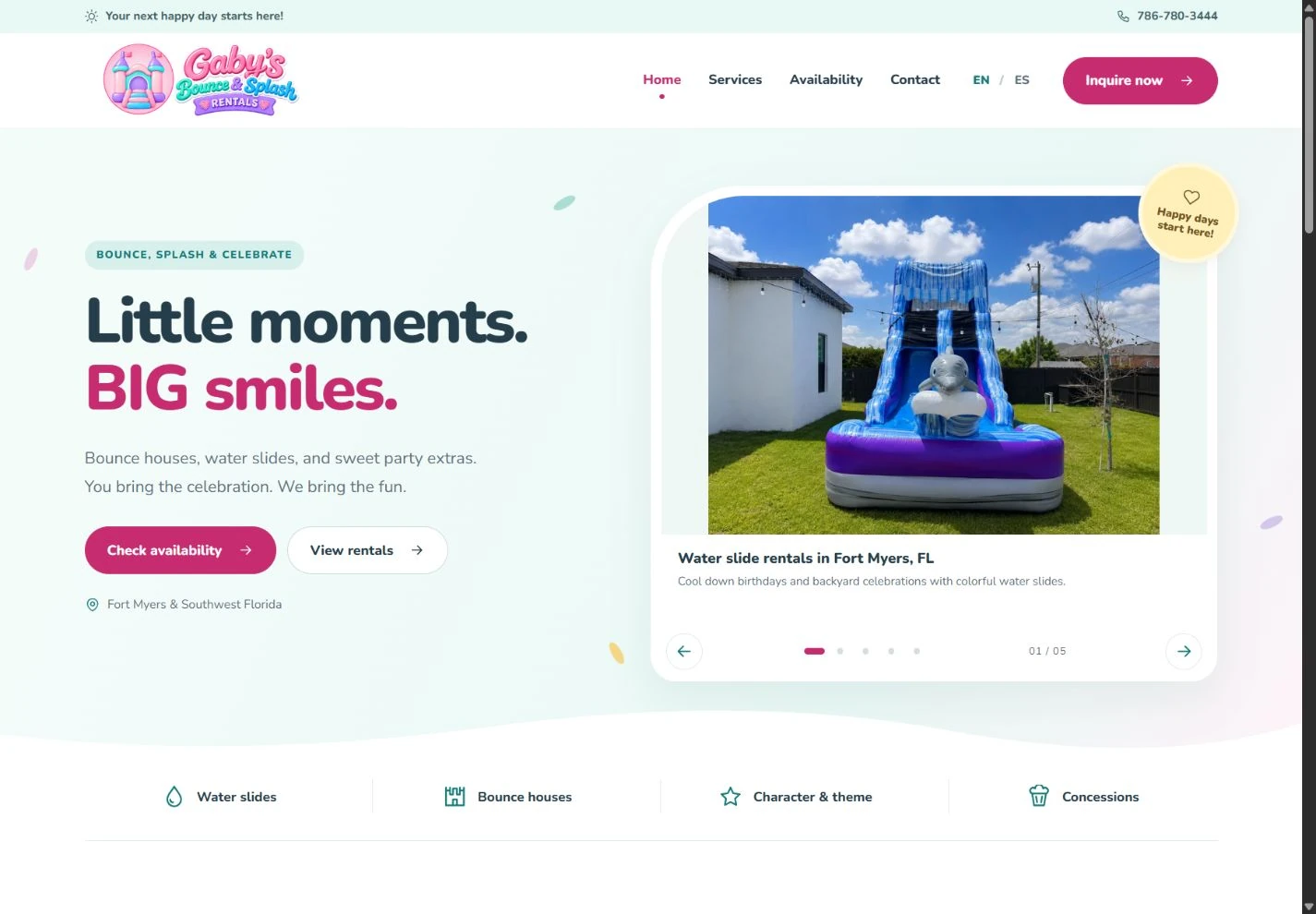
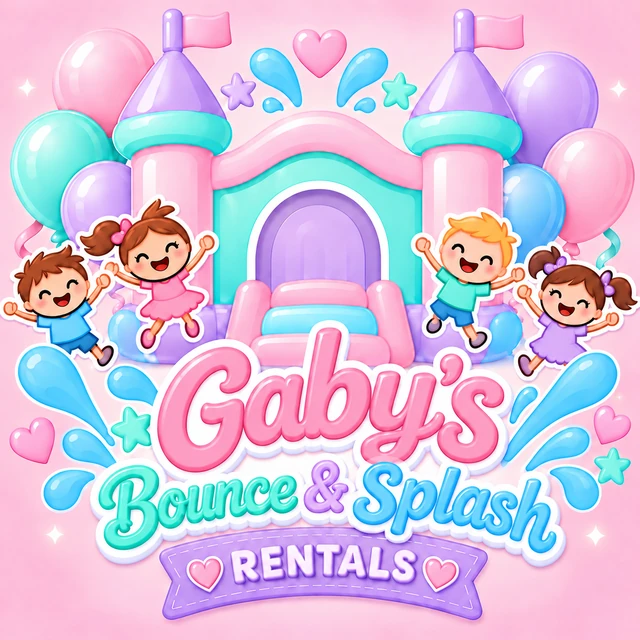
A strong brand needs more than matching files, but consistent identity design gives the business a useful foundation. In FMD’s Gaby’s Bounce & Splash project, the illustrated logo and rental website share a colorful direction. The website then has its own job: help visitors understand the rentals and find an inquiry path.
To create brand materials that remain useful, hand another person the approved files and ask them to prepare a simple piece. If they cannot tell which logo, color or type to use, the handoff needs clearer instructions. This is a practical way to identify missing guidance before paying for more collateral.
Test the handoff on something you will actually use
Choose one real application before approval, such as your website header or a business card. Ask the proposal to identify the logo version, colors, fonts and files needed for that use. Someone preparing the piece should be able to follow the handoff without inventing the visual direction.
If the mark works but those decisions are missing, you may need a coordinated identity rather than a replacement logo. If the name becomes unreadable at its intended size, record that specific issue in the logo design brief. Confirm separately whether editable templates or a brand guidelines document are included.
Connect the identity to your next business step
Our published Starter Brand package includes a custom logo, brand colors, typography selection, business card design, a social profile image and up to two revision rounds. The Business Launch package adds an agreed small-business website scope. Check the packages page for current inclusions and exclusions; individual services are quoted based on scope.
If you already have an identity, graphic design support can help apply it to useful print and digital materials. You can also view our actual project work to see how the pieces connect.
Before buying a package, list what you need to launch now and what can wait. Then tell us about your business so we can define a practical scope.